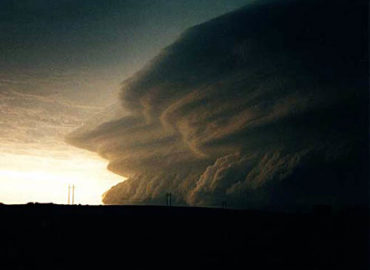
As of late March 2026, the Equatorial Pacific is moving from La Niña to an Enso-neutral state, with El Niño projected to emerge later this Spring, intensifying from June-August 2026. However, there are signs that portions of the equatorial Pacific are already warming, with an enhanced southwesterly jet-stream becoming stronger and more entranced across portions of the subtropical Eastern North Pacific. This enhanced jet stream was the primary cause of the onset of flooding rain across portions of the Hawaiian Islands. This same enhanced jet stream has worked its way eastward to near the US/Mexico Pacific coast, where the onset of a cloudy and occasionally wet weather pattern is expected near the end of this month into early April. Conditions appear favorable for this soggy weather pattern to spread east across the Inter-mountain west and portions of Texas during the first half of April, where rainfall is badly needed.



+ for the post
_________________
1win qrafik
This piece is impressive and well-structured. I find the entire site extremely helpful.
Howdy I am so grateful I found your website, I really found you by accident, while I was researching on Aol for something else, Anyhow I am here now and would just like to say thank you for a fantastic post and a all round entertaining blog (I also love the theme/design), I don’t have time to browse it all at the minute but I have book-marked it and also added your RSS feeds, so when I have time I will be back to read more, Please do keep up the awesome work.
no deposit bonus
After the last storm rolled through our area, it got me thinking about how many homeowners aren’t aware they may have roof damage until much later. Missing shingles, small leaks, or flashing problems can be easy to miss at first. From what I’ve seen, checking things early and getting a professional opinion helps avoid insurance headaches later. Has anyone here ever deal with late-discovered storm damage and regret not addressing it earlier?
https://6933b57c92070.site123.me/blog/roofing-tips-for-homeowners-in-coastal-north-carolina
Personal thoughts 8282_ac
Hello!
77777
Good luck 🙂
Hey y’all, I just took a 16 season color analysis assessment online because I was keen about diving deeper than the classic four seasons most people talk about. My initial simple test (the classic spring/summer/autumn/winter) gave me a pretty simple result—Soft Summer—but this new 16 season result appears a bit more complicated. It suggested I’m something like a Soft Summer shifting toward Light Summer or maybe even a Cool Summer subtype, and there are all these notes about contrast levels, temperature nuances, and fine brightness differences. Honestly, it’s a bit confusing trying to figure out whether these finer distinctions actually help with selecting colors for everyday wear or if it just makes things more confusing for someone like me who’s just aiming to build a comfortable, wearable wardrobe.
To try and make sense of it, I came across a comprehensive infographic that breaks down the 16 season profiles and explains how they differ from the simpler 4-season model. It’s really useful but also raised more questions about how much I should trust these smaller shifts in palette, especially since some colors recommended in one subtype seem pretty close to what I’ve always liked wearing anyway.
Has anyone else here explored the 16 season system and found that it really added value beyond the basic four seasons? Or did you feel like it was just adding added layers that didn’t make picking clothes easier? I’m curious about personal experiences or even any tips for interpreting these nuanced categories without getting too bogged down.
Here’s the infographic I mentioned if you want to check it out: color analysis pro . Any thoughts or advice would be genuinely appreciated!
With the increasing frequency of massive storms, are we responsible for demanding stricter building codes now, even if it means higher taxes and insurance premiums? Or is it better to let homeowners decide individually?
последние годы российские сериалы сделали огромный шаг вперёд: сюжетные линии стали более продуманными, актёры стали играть убедительнее и диалоги звучат реалистичнее. Чтобы не пропустить лучшие российские сериалы и легко найти, что посмотреть сегодня вечером, загляните на наш сайт с русскими сериалами — у нас собраны достойные новинки и любимые хиты]
русские сериалы на русском языке
Hi,how are you
Cool + for the post
_________________
Crystal-slot
Your writing consistently motivates readers by offering both profound reflections and entertaining storytelling, making it a essential destination for anyone interested in uncovering new ideas and viewpoints.
mecanicaylaminacion.com
Stumbling upon this site felt like finding a hidden gem. The layout is intuitive and I never get lost looking for my favorite titles. Security measures give me peace of mind while I enjoy my favorite pastime. Really happy with how smoothly everything runs on both desktop and mobile. bdba9999